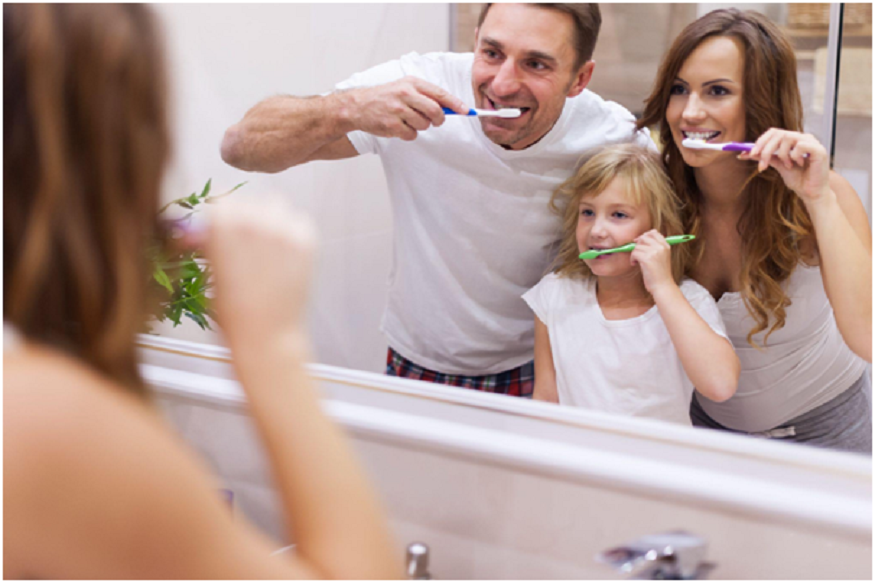
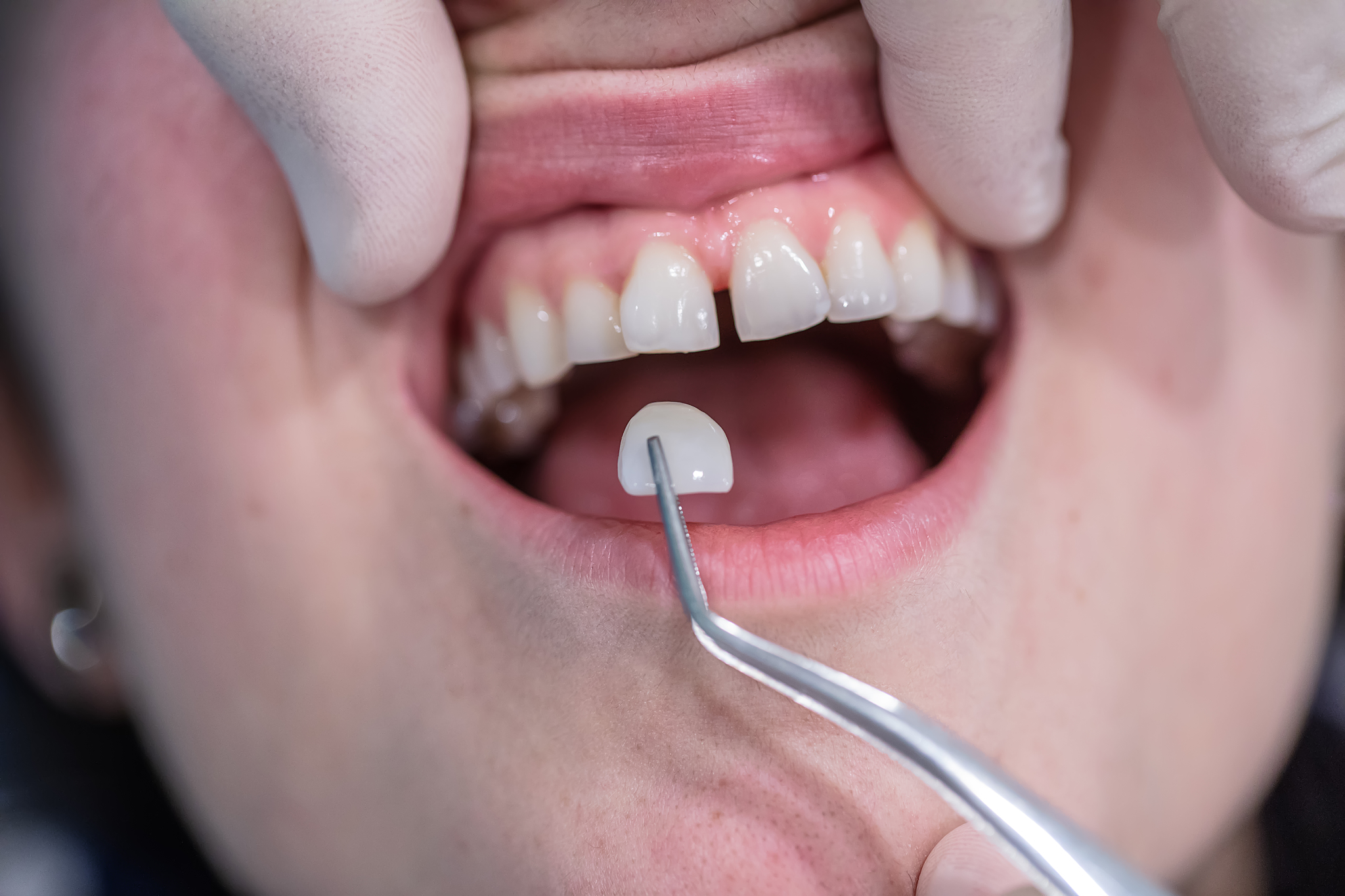
Brushing seems like one simple task. Scrub, rinse, spit, walk away. Two distinct things are happening, but most only consider one. Cleaning removes grime. Strengthening makes the surface tougher. You need both. Drop either one and your teeth will let you know eventually, usually at the worst possible time.
What Cleaning Actually Does
Cleaning is the familiar part. Every day a sticky layer called plaque spreads across your teeth. It’s crawling with bacteria, and those bacteria go wild on the sugar and crumbs floating around your mouth. Brushing sweeps that film off before it hardens into tartar, which is the crusty stuff you can’t budge without a trip to the dentist.
Read More: Unlocking Wellness with Personalized Genetic Health Reports
Floss earns its keep here too. Bristles can’t fit between your teeth, so floss digs out whatever the brush leaves behind. The two of them together keep your breath from turning and your gums from going red and swollen. This is the cleanup crew. Bad stuff out.
Why Cleaning Alone Isn’t Enough
Here’s the part that usually surprises people. Constant cleaning doesn’t guarantee progress. Clean and strong are totally different. Drinking stuff like soda, orange juice, or coffee can wear down your teeth. Each tooth is encased in enamel. This is the strongest material your body ever produces. Tough, though, has limits. Minerals are drawn from enamel by acid. This is a process known as demineralization. Those soft spots, when ignored, will hollow out and form cavities. So a perfectly clean tooth sitting under a thinning shell? Still on a rough path.
What Strengthening Means
Strengthening puts those minerals back. The word for it is remineralization, and it’s basically your mouth patching itself up. Your saliva pitches in, ferrying calcium and other minerals over to the surface. It is pretty incredible when you really consider it.
Read More: White-Label & Turnkey Precision Health Platforms: Empowering Personalized Care
The issue is that saliva production alone is not always sufficient, particularly with frequent snacking or a diet high in carbonated beverages. That’s where your toothpaste steps up. The right ingredients cling to the enamel and help rebuild it, filling those tiny weak patches before they turn serious. This is the slow, quiet, long-game side of brushing.
The Ingredient That Rebuilds
So what handles the rebuilding? A sound choice is hydroxyapatite toothpaste. You can get this from a brand like Ecofam. Hydroxyapatite is the mineral that already makes up your enamel. To that end, it fits right into the surface like a puzzle piece that finally clicks. It works to fill worn areas and settle down sensitive teeth with nothing harsh. Fluoride pulls off a similar trick by a slightly different road. Same finish line either way. Feed the enamel, keep it solid.
How to Do Both Every Day
Here’s the good news. Covering both sides takes no big overhaul. Brush twice a day for a full two minutes, and the cleaning takes care of itself. Using a paste with a remineralizing ingredient also strengthens your teeth. Don’t rinse it all off. A slight residue ensures the beneficial elements remain active. Make an effort to decrease your daytime snacking. Each acid attack requires recovery time before the next one occurs. Constant exposure prevents your enamel from resting. Brushing too soon after eating acidic foods can accelerate enamel erosion. Therefore, it’s best to wait around thirty minutes.
Conclusion
Cleaning clears out the bad. Strengthening builds back the good. One without the other leaves a hole in your routine, and your teeth need the pair of them to last. Keep brushing. Keep flossing. Pick a paste that rebuilds while it cleans. Enamel will not grow back on its own, so lend it a hand.